2026-10-24 · Marco Rossi
Local Factors Influencing Water Damage Repairs in Lake Worth Florida
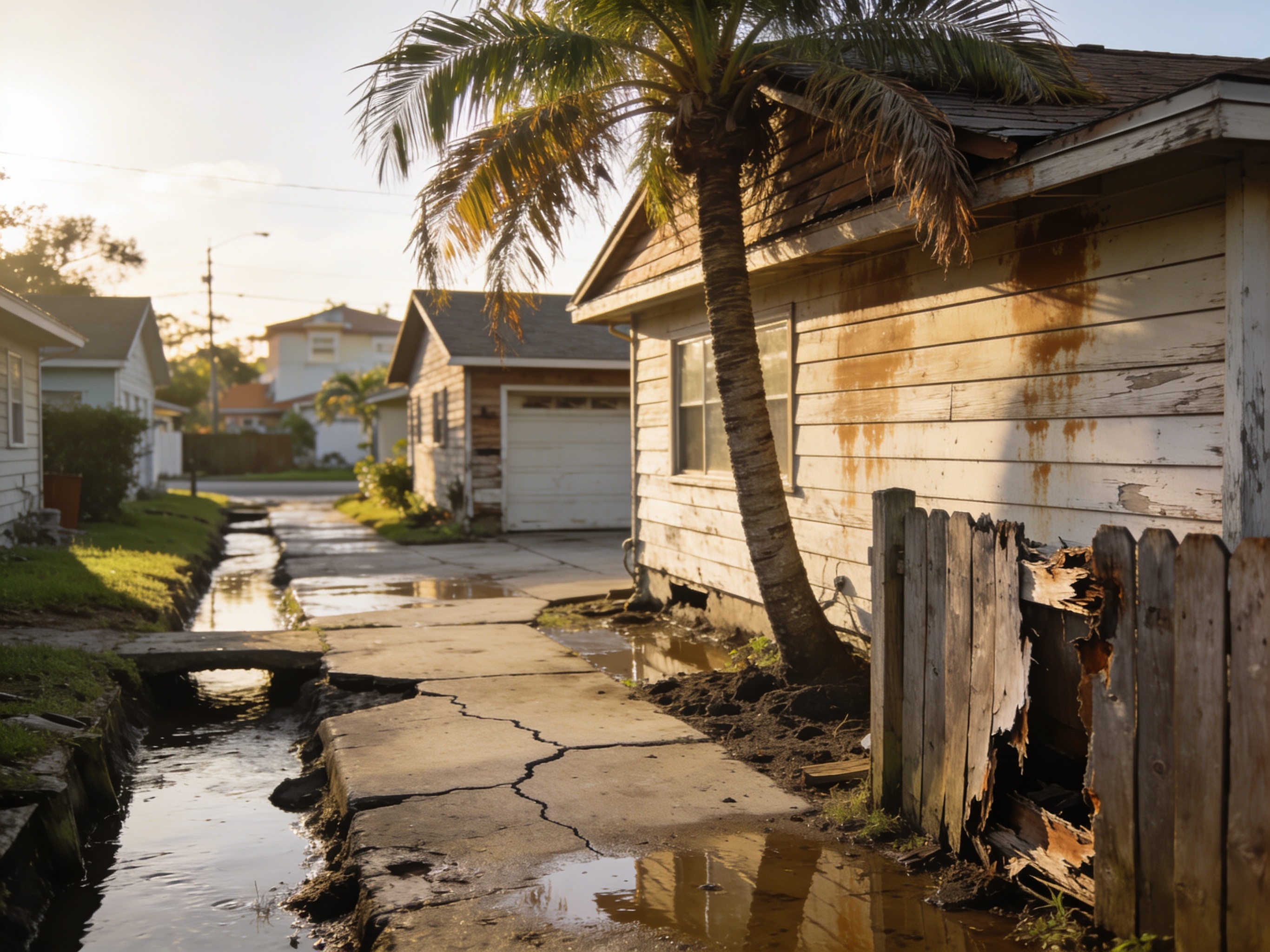
Water damage repairs in Lake Worth, Florida, are significantly influenced by our unique tropical rainforest climate, the age and construction types of homes prevalent in areas like Downtown Lake Worth and the Lake Worth Beach Historic District, and the specific challenges posed by proximity to coastal environments. These factors collectively impact everything from the speed of mold growth to the complexity of structural drying. Homeowners in Palm Beach County, including nearby cities like West Palm Beach and Boynton Beach, often face similar issues, but the specifics in Lake Worth, particularly concerning older properties and our humid conditions, demand a specialized approach to ensure thorough and effective restoration. Ignoring these local nuances can lead to recurring problems and higher long-term costs.
The Impact of Lake Worth's Tropical Climate on Water Damage
Lake Worth's tropical rainforest climate, characterized by hot, humid summers and warm winters, plays a critical role in how quickly water damage progresses and how challenging repairs can be. The constant high humidity means that after any water intrusion, from a burst pipe to a roof leak, materials like drywall, wood, and insulation retain moisture for longer periods. This extended dampness creates an ideal breeding ground for mold, which can begin to grow within 24–48 hours. Our warm temperatures further accelerate this process. Effective water damage restoration in Lake Worth must prioritize rapid structural drying and dehumidification to counteract these environmental conditions and prevent secondary damage like widespread mold contamination. Without aggressive drying, even minor leaks can escalate into significant issues, especially in enclosed, poorly ventilated spaces.
Common Water Sources and Their Local Implications
In Lake Worth, water damage often stems from a combination of common plumbing failures and our unique weather patterns. Aging infrastructure in neighborhoods like South Palm Park and the Lake Worth Beach Historic District can make homes more susceptible to issues like burst pipe water damage restoration or persistent plumbing leaks. Beyond internal issues, our location in Palm Beach County means we are no stranger to heavy rainfall and tropical storms. These events can lead to significant roof leaks, window seal failures, and even localized flooding, especially in properties closer to Lake Worth Beach. The porous nature of some older building materials can allow water to penetrate deeply, requiring more extensive drying and repair efforts. Understanding these common sources helps us anticipate and address the specific challenges each type of water intrusion presents.
Housing Stock and Construction Methods in Lake Worth
The housing stock in Lake Worth is diverse, ranging from historic homes with unique construction in the Lake Worth Beach Historic District to more modern residences. Many older homes, particularly those built before the 1980s, often feature plaster and lath walls, original wood flooring, and different foundation types compared to newer constructions. These materials react differently to water exposure; plaster can delaminate, and older wood can be more prone to rot or warping. Newer homes, while often built with more resilient materials, can still suffer significant damage from issues like appliance leaks or AC leaks. The specific construction methods and materials dictate the complexity of water extraction, drying protocols, and ultimately, the scope and cost of repairs. Our team understands these variations, ensuring that restoration methods are tailored to the specific building type.
Proximity to Water and Soil Conditions
Lake Worth's proximity to Lake Worth Beach and the Intracoastal Waterway also introduces specific considerations for water damage repairs. The higher water table in coastal areas can make properties more vulnerable to groundwater intrusion, especially during heavy rain events or storm surges. The soil composition, often sandy and porous, can allow water to move freely, potentially affecting foundations or leading to persistent moisture issues if not properly addressed. Homes in low-lying areas or those close to the water, such as portions of Downtown Lake Worth, may experience more complex drying challenges due to external moisture influences. This necessitates careful assessment of sub-slab moisture and thorough drying techniques to prevent future problems. For more insights on preparing for severe weather, consider reading our article on Water Damage From Tropical Storms: What Lake Worth Homeowners Should Know.
Importance of Rapid Response and Expert Assessment
Given the local factors at play in Lake Worth, a rapid response to water damage is paramount. The longer water sits, especially in our warm, humid environment, the greater the potential for extensive structural damage and mold growth. Our 24/7 availability ensures that we can respond immediately to emergencies, whether it's a major flood or a persistent leak. An expert assessment goes beyond simply drying visible surfaces; it involves using specialized equipment to detect hidden moisture within walls, under flooring, and in other concealed areas. This thorough approach is critical for preventing long-term issues that are common in our climate, ensuring that all affected areas are properly dried and restored. If you suspect water intrusion, even subtle signs, it's wise to consult resources like How to Spot Early Signs of Water Intrusion in South Florida Homes.